

Worried about keeping your home safe but not sure which alarm system is the right choice? Lots of homeowners in Toronto feel confused when comparing wired vs wireless alarm systems. Both options promise good security, but the differences in setup and long-term use can make the decision difficult.
This guide explains the main differences between wired and wireless alarm systems for Toronto homes. You will learn how each system works the pros and limits of each option and which one may suit your home best. Keep reading to find a simple answer that helps you choose the right security system with confidence.
Understanding Home Alarm Systems for Modern Security

A home alarm system helps protect a house from break-ins and unwanted entry. It uses sensors placed on doors, windows and inside the home to detect movement or forced entry. When something unusual happens, the system sends an alert through a loud siren, a phone notification or a monitoring service.
Lots of homeowners in Toronto install alarm systems to feel safer and react quickly if someone tries to enter their property. These systems work as an intrusion detection system that warns you the moment a security risk appears.
When people compare wired vs wireless alarm systems, the main difference is how the devices connect. Wired alarm systems use physical cables to connect sensors to the control panel. Wireless alarm systems connect sensors using radio signals or Wi-Fi, which allows more flexible placement.
Key Components of a Home Alarm System
Most home security systems include a few basic parts that work together to protect the property.
- Control Panel – The main unit that manages the whole alarm system.
- Door and Window Sensors – Detect when entry points open unexpectedly.
- Motion Detectors – Identify movement inside the home.
- Alarm Siren – Sounds a loud warning to scare away intruders.
- Monitoring Service – Sends alerts to homeowners or a security company.
What Is a Wired Alarm System and How Does It Work?

A wired alarm system is a home security system where sensors connect to a central control panel using physical cables. These wires run through the walls and link devices such as door sensors, window sensors and motion detectors. When a sensor detects movement or forced entry, it sends a signal through the wire to the control panel, which activates the alarm.
Wired systems are known for stable performance because the devices do not rely on Wi-Fi or radio signals. This reduces the risk of signal interference and keeps the connection consistent. For this reason, many homeowners consider wired systems reliable when comparing wired vs wireless alarm systems.
Most wired alarm systems include a control panel, door and window sensors, motion detectors, and a loud alarm siren. Some systems also include a backup battery so the alarm continues working during a power outage.
Advantages and Disadvantages of Wired Alarm Systems

When comparing wired vs wireless alarm systems, almost all homeowners want to know the real benefits and limits of a wired home alarm system. Wired systems are known for stability and long-term performance but they also come with a few challenges during installation.
Advantages of Wired Alarm Systems
Stable and Reliable Connection
A wired alarm connects sensors directly to the control panel through cables. This creates a steady connection and reduces signal interference. Because of this reliability, all people choose wired systems as a strong option when exploring wired vs wireless home security systems.
Low Maintenance
Most wired systems do not rely on batteries for sensors. This means homeowners do not need to replace batteries always, which reduces maintenance compared to some wireless alarm systems for home setups.
Good Option for Large Homes
A wired setup works well in bigger properties where strong and stable communication between sensors is important. Experts recommend wired systems as one of the best alarm systems for detached homes because the wiring can cover a large space without signal problems.
Disadvantages of Wired Alarm Systems
Installation Can Be Complex
Installing a wired alarm usually requires running cables through walls and ceilings. This often needs professional help during alarm system installation Toronto projects. Because of this, installation can take longer than wireless systems.
Less Flexibility
Once the wiring is installed, moving sensors or expanding the system may require additional work. This makes wired setups less flexible compared to wireless alarm systems.
Higher Installation Cost
Wiring and professional setup can increase the initial cost of the system. However, many homeowners still choose wired systems for their long-term reliability when making a home alarm system comparison.
What Is a Wireless Alarm System and How Does It Work?
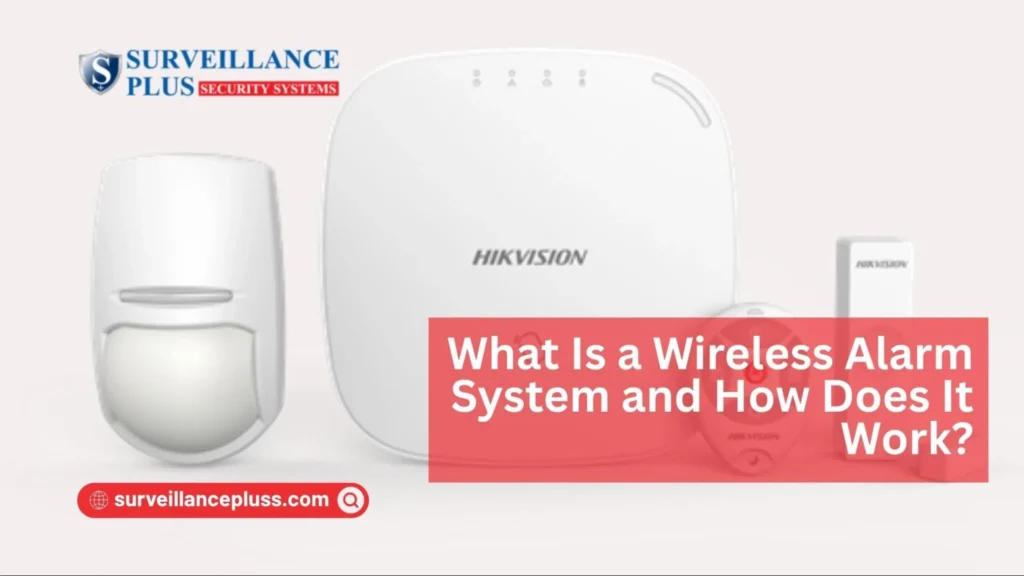
A wireless alarm system for home security uses sensors that connect to the control panel through wireless signals instead of physical wires. Devices such as door sensors, window sensors and motion detectors send alerts when they detect movement or forced entry. The control panel then activates the security alarm or sends a notification to the homeowner’s phone.
Many modern home security systems use wireless technology because installation is simple and flexible. Sensors can be placed in different areas of the home without drilling walls or running cables. This makes wireless systems a practical option for condos, apartments and rental properties.
When people compare wired vs wireless alarm systems, the main difference is how the devices communicate. A wireless alarm uses battery-powered sensors that send signals to the control panel, while a wired system uses physical connections. Because of this flexibility, wireless systems are often included in a home alarm system comparison when homeowners look for a reliable and easy-to-install alarm system for homes.
Advantages and Disadvantages of Wireless Alarm Systems

When homeowners compare wired vs wireless alarm systems, wireless options often stand out because of their flexibility and simple setup. A wireless alarm uses sensors that communicate with the control panel through wireless signals instead of physical cables. This allows devices to be placed in different areas of the home without major installation work.
Wireless systems are common in many modern home security systems because they are easy to install and simple to manage. However, like any security setup, they come with both advantages and limitations.
Advantages of Wireless Alarm Systems
Easy Installation
Wireless alarms do not require drilling walls or running wires through the house. Sensors can be installed quickly, which makes them a convenient option for homeowners who want faster setup.
Flexible and Easy to Expand
Wireless sensors can be moved or added when needed. Homeowners can expand their home security system by adding motion detectors, door sensors or cameras without major changes.
Good Option for Condos and Rentals
Wireless systems work well in condos, apartments and rental homes where permanent wiring may not be possible.
Disadvantages of Wireless Alarm Systems
Battery Maintenance
Most wireless sensors run on batteries. Homeowners need to replace them from time to time to keep the security alarm working properly.
Possible Signal Interference
Wireless devices rely on radio signals or Wi-Fi. In some cases, walls, electronics or network issues may affect communication between sensors and the control panel.
Connectivity Dependence
Some wireless alarm systems use internet or cellular networks for alerts and monitoring. If the connection is weak or interrupted, notifications may be delayed.
Which Alarm System Is Best for Toronto Homes?

When homeowners compare wired vs wireless alarm systems, the best choice always depends on the type of home and installation needs. Both systems can work well as part of modern home security systems. The right option depends on property size, layout, and how easy the system is to install.
Best for Detached Homes
A wired alarm system often works well for detached houses. These homes usually have more doors, windows, and entry points. Wired connections provide stable communication between sensors and the control panel, which makes them a reliable option for larger properties.
Best for Condos and Apartments
A wireless alarm system for home security is usually better for condos and apartments. Sensors can be installed without drilling walls or running cables. This makes wireless setups common in all Toronto home security systems used in smaller homes.
Best for Rental Properties
Wireless alarms are also practical for rental homes. The sensors can be moved or removed easily when tenants change properties. Because of this flexibility, all renters prefer wireless alarm systems.
Choosing the Right Alarm System Installation Company in Toronto

Selecting the right alarm system Installation company is an important step when installing home security systems. A professional security installer helps place sensors correctly, configure the control panel and make sure the security alarm works properly from day one. This is important whether you choose a wired setup or a wireless alarm system for home security.
When searching for a provider for alarm system installation in Toronto, homeowners should look for experience with different property types. A good installer can recommend the right solution after evaluating the home layout, entry points, and security needs. This also helps homeowners decide between wired vs wireless alarm systems based on their property.
What to Look for in a Security Company
Local Experience
A company with experience in Toronto home security systems understands common safety concerns in the area. They know how to design systems that protect both houses and condos.
Professional Installation
Proper installation ensures sensors, cameras, and alarms work together as one reliable home security system. Professional setup also reduces technical problems later.
Custom Security Solutions
Every home has different entry points and security risks. A trusted home security company in Toronto should offer solutions designed for the specific property rather than using a one-size-fits-all system.
Protect Your Toronto Home with the Right Alarm System

Choosing between wired vs wireless alarm systems depends on your home type and security needs. Wired systems often suit larger houses, while a wireless alarm system for home security is easier to install in condos, apartments, and rental properties. Both options can work well when part of reliable home security systems.
For better protection, it is important to work with a trusted home security company in Toronto. Professional alarm system installation in Toronto ensures sensors, cameras, and alarms are placed in the right locations.
If you want a security system designed for your property, contact Surveillance Plus Security Systems today. Their team provides expert security alarm installation in the GTA to help protect Toronto homes with reliable alarm systems.
FAQs About Wired vs Wireless Alarm Systems
-
Which is better: wired or wireless alarm systems?
Both options can protect a home well. When comparing wired vs wireless alarm systems, wired setups often provide stable connections, while wireless alarms are easier to install and expand. The best choice depends on the home type and security needs.
-
Are wireless alarm systems reliable for homes?
Yes, modern wireless alarm systems for home security are reliable when installed properly. Many systems use strong wireless signals and backup batteries to keep the security alarm working during power interruptions.
-
Do wireless alarm systems work during internet outages?
Some wireless systems continue working locally even if the internet stops. However, remote alerts and mobile notifications may pause until the connection returns. Many home security systems include cellular backup for better reliability.
-
Which alarm system is best for Toronto homes?
The best alarm system for Toronto homes depends on the property. Wired systems often work well in detached houses, while wireless systems are popular for condos and apartments because installation is simpler.
-
Can wired and wireless alarm systems work together?
Yes, many modern home security systems support hybrid setups. These systems combine wired sensors with wireless devices to create flexible protection for different areas of the home.
