
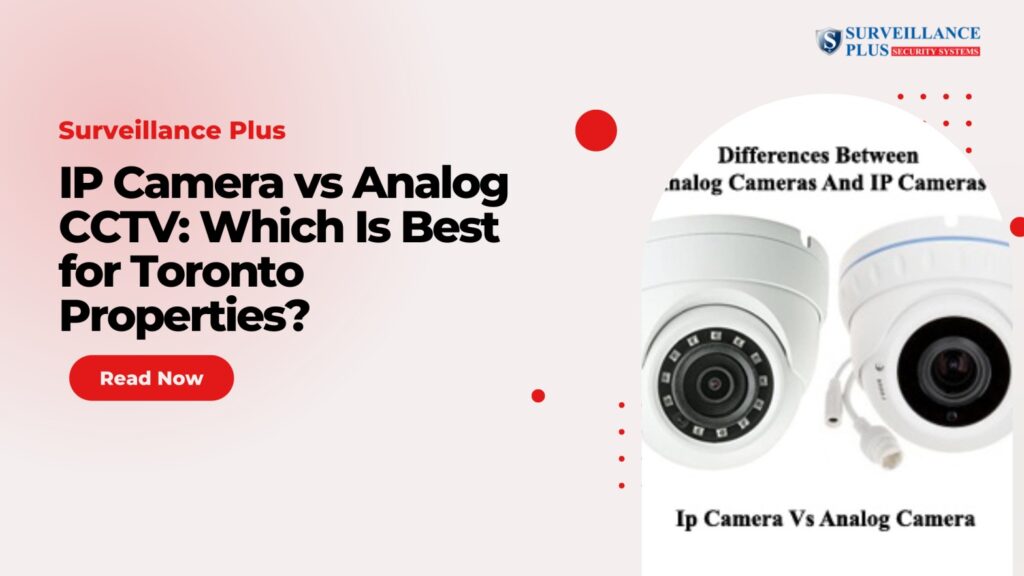
Property owners across Toronto often feel unsure when comparing IP camera installation Toronto options with traditional analog CCTV Toronto systems. Clear video, strong coverage and dependable protection matter, so understanding how each system performs in real neighbourhoods helps you decide what suits your home or business best.
Many families and business owners want a setup that is easy to manage and built for long-term safety. This blog explains the key points behind the IP Camera vs. Analog CCTV choice for Toronto properties and shows how each option supports everyday security needs in the GTA.
What Are IP Cameras and Analog CCTV Systems?
What Are IP Cameras?
IP cameras record video in a digital format and send it through a network connection. Most setups use Ethernet cables that support PoE, which allows the camera to receive power and transfer video through the same line. This design makes IP camera installation Toronto services popular for homes and businesses that want clear video and flexible placement. IP cameras connect to an NVR, cloud storage or a secure network, giving users simple access through phones or computers.
IP cameras also support features such as high resolution, mobile alerts, night vision and smart analytics. These tools help Toronto property owners monitor activity in real time and review important footage quickly. This type of system works well in houses, condos and commercial spaces across the GTA.
What Is Analog CCTV?
Analog CCTV uses cameras that send video through coaxial cables to a DVR. The system records footage in a standard format, and the quality depends on the type of camera installed. Many older buildings in Toronto still use analog CCTV Toronto setups because they are affordable and cover basic security needs.
Analog systems rely on separate connections for power and video, which means more wiring compared to digital CCTV or IP options. Although the video quality is lower than most modern IP cameras, analog CCTV can still be useful for smaller spaces or simple monitoring.
Key Differences Between IP Cameras and Analog CCTV
1. Video Quality
IP cameras create digital video that captures clearer details, which helps Toronto property owners see faces, licence plates and movement with better accuracy. Many models support HD and 4K, making them a strong choice for high-traffic areas. Analog CCTV provides lower detail because the footage is processed through coaxial lines and a DVR, so the image may look softer or less sharp. This difference is one of the main reasons people switch from analog to digital CCTV or IP systems.
2. Installation and Wiring
IP camera installation Toronto services often use Ethernet cables that can carry both power and video. This setup reduces the amount of wiring needed and allows cameras to be placed in spots that work best for full coverage. Analog CCTV Toronto systems rely on separate lines for power and video, so the wiring is thicker and less flexible. Properties that require long cable runs or multiple cameras usually find IP systems easier to manage.
3. Storage and Recording
IP cameras store video through an NVR or cloud platform, which keeps footage organized and simple to access. These systems often support larger storage sizes for HD recordings. Analog CCTV uses a DVR that compresses video in a standard format, so the footage may lose detail over time. When comparing NVR and DVR installation Toronto options, NVR systems usually support more advanced features and higher resolution.
4. Features and Smart Functions
Modern surveillance systems Toronto solutions often favour IP cameras because they support smart tools like motion alerts, remote viewing and advanced night vision. These features help homeowners and businesses watch their property through phones or computers during travel or after business hours. Analog CCTV provides basic monitoring and recording without the extra smart functions found in digital systems.
5. Scalability and Upgrades
IP systems allow easy expansion because new cameras can be added to the same network without major changes. This makes future upgrades simple for growing businesses or larger homes in the GTA. Analog CCTV has channel limits set by the DVR, so adding new cameras may require a full system upgrade. Many people choose CCTV to upgrade Toronto services when they want better quality and easier expansion.
6. Long Term Value
IP cameras often cost more at the start, but the stronger video quality and simple upgrades provide better long term value for most Toronto properties. Analog CCTV may cost less upfront but becomes harder to maintain or expand as security needs grow. For this reason, many property owners compare IP Camera vs Analog CCTV Toronto options before planning any new installation.
Also Read: How Much Does CCTV Installation Cost in Toronto?
What This Means for Toronto Homes and Businesses: Real World Use Cases
When IP Cameras Fit Best
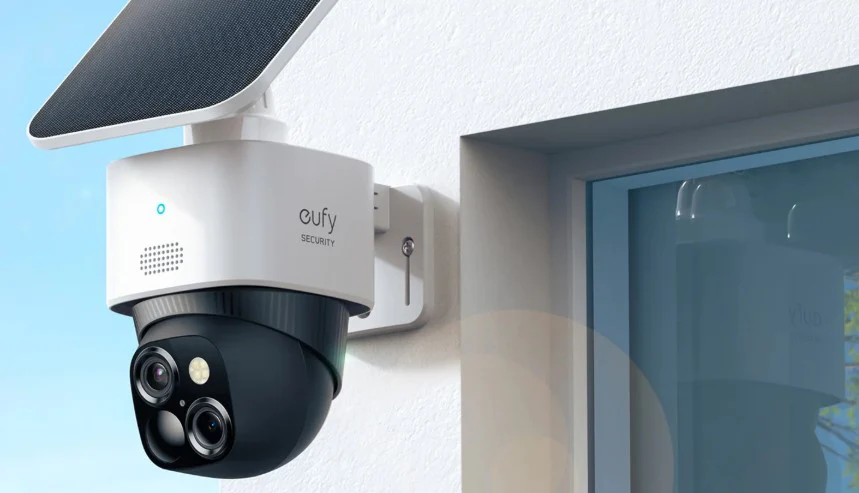
IP cameras work well for places that need clear footage and strong coverage. Toronto homes with multiple entry points, long driveways or shared outdoor areas often rely on HD security cameras Toronto services for sharper video. Many condo owners also prefer IP cameras because remote viewing makes it easy to check deliveries, parking spots or hallways from a phone. Businesses in the GTA benefit from IP systems when they need consistent monitoring across offices, storage rooms or storefronts.
Retail stores and commercial sites also gain value from smart features like motion alerts and mobile access. These tools help managers track after hours activity without staying on site. Since IP systems support NVR recording and flexible placement, they suit fast growing companies that may add more cameras later.
When Analog CCTV Still Works
Analog CCTV Toronto setups still have practical uses, especially for smaller spaces with limited monitoring needs. Small shops, service counters or storage areas sometimes prefer analog systems because they offer simple recording at a lower cost. Many older buildings in the GTA already have coaxial wiring in place, so keeping an analog system can save money when only basic security is required.
Properties with minimal traffic or a single viewing area may not need advanced analytics or high resolution video. In these cases, analog CCTV provides steady recording without extra network demands or upgrades.
When a Hybrid System Makes Sense
Some Toronto property owners choose a mix of both systems. A hybrid setup works well when an older building already uses analog CCTV but needs clearer video in certain areas. Upgrading key spots to digital CCTV or adding new IP cameras allows stronger coverage without removing the entire system. This approach reduces costs while improving overall performance.
What to Ask Your Installer or Security Provider: Checklist for Toronto Properties
1. Type of Camera System: Ask the installer which system suits your property layout. Some homes and businesses work better with IP camera installation Toronto services, especially when clear video and remote viewing are important. Other spaces may still support analog CCTV Toronto setups if the goal is basic monitoring. A good provider should explain how each option performs in your building.
2. Wiring and Power Requirement: Request a clear explanation of the wiring plan. IP cameras often use PoE, which helps reduce cable clutter and allows flexible placement. Analog cameras need separate power and video lines, so the installer should confirm how the cables will run through your home or business. This is important for older Toronto buildings where existing wiring may need updates.
3. Recording and Storage Options: Discuss the recording system that will support your cameras. An NVR provides strong performance for digital CCTV and IP setups, while a DVR works with analog systems. If you need longer storage or higher resolution video, the installer should help compare NVR DVR installation Toronto choices and explain which one matches your security goals.
4. System Compatibility: Ask if the cameras can work with your existing equipment. Some Toronto properties already have older coaxial wiring or mixed setups. A reliable installer should confirm whether a hybrid system is possible and explain how new cameras will connect with current hardware.
5. Smart Features and Remote Access: Check which features are included with the recommended system. Many property owners look for mobile viewing, motion alerts and night vision. These features are common in modern surveillance systems Toronto services and help you stay aware of activity when away from home or after business hours.
6. Upgrade Path and Future Planning: Ask how easy it will be to add more cameras later. IP systems usually support simple expansion through your network. Analog CCTV may require new hardware to increase camera counts. This step is important for businesses planning future growth or homeowners expecting changes in their security needs.
7. Maintenance and Support: Confirm what type of support the installer provides after the setup is complete. Proper updates, secure passwords, cable checks and equipment maintenance keep your system working well. Good service ensures your security system stays dependable through the year.
Cost Considerations for Toronto and the GTA: Upfront and Long Term Value
Upfront Costs
IP cameras usually cost more at the start because of the higher resolution lenses, network equipment and NVR recording systems that support digital footage. Properties that choose IP camera installation Toronto services may also need updated Ethernet wiring or PoE switches, depending on the building. These upgrades improve image quality and flexibility, but they raise the initial price.
Analog CCTV Toronto setups often cost less because the cameras and DVR units use older technology. Many small shops and older homes already have coaxial wiring in place, which lowers installation time and material costs. For basic security needs, analog systems can be a reasonable choice when working with a tight budget.
Long Term Value
IP systems offer stronger long term value for many Toronto properties. Clearer video, flexible expansion and easier upgrades help reduce future replacement costs. Modern surveillance systems Toronto solutions also support software updates that improve performance without replacing the entire setup. This approach makes IP systems more cost efficient for homes and businesses that expect long term use.
Analog systems have lower starting costs, but they may require earlier replacement because they lack the advanced features found in digital CCTV. Adding more cameras, improving image quality or expanding the system often requires new hardware, which raises the long term cost. When comparing IP Camera vs Analog CCTV Toronto options, most property owners choose IP for better long range savings.
Balancing Budget and Security Needs
The right choice depends on your property, your goals and the level of detail you require from your cameras. Some buildings benefit from a mixed setup that uses existing analog lines and adds new IP cameras in high priority areas. This hybrid approach supports CCTV upgrade Toronto projects without replacing everything at once.
Conclusion
Choosing between IP Camera vs Analog CCTV for Toronto properties depends on the type of coverage you need and the level of clarity you expect. IP camera installation Toronto services offer stronger video quality, remote access and simple upgrades, which makes them a smart option for homes and businesses that want long term security. Analog CCTV Toronto systems remain useful for small spaces and basic monitoring needs, especially when working with older wiring. Many property owners now prefer modern surveillance systems Toronto solutions because they support flexible expansion, NVR recording and high resolution footage. A careful review of your space and future plans helps you select the system that delivers the best long term value and protection.
FAQs
-
What is the main difference between IP cameras and analog CCTV?
IP cameras record digital video and send it through a network, while analog CCTV uses coaxial cables that connect to a DVR. IP options offer clearer video, smart features and easier upgrades, which benefits many Toronto properties. Analog systems provide basic monitoring at a lower starting cost.
-
Can I upgrade my analog CCTV to an IP system without replacing everything?
Many Toronto homes and businesses can use a hybrid approach. Existing coaxial lines can remain in place while new IP cameras are added to key areas. This method supports smoother CCTV upgrade Toronto projects without a full system replacement.
-
Which system is better for high resolution footage?
IP cameras deliver higher resolution than analog CCTV, including HD and 4K quality. This level of detail helps capture licence plates, faces and movement more clearly. Businesses and busy residential areas in the GTA often prefer IP systems for this reason.
-
Does an IP camera need the internet to work?
An IP camera can record to an NVR without an internet connection. Internet access is only required for remote viewing and alerts. Many Toronto property owners use local NVR storage to keep footage accessible even with slow or limited internet service.
-
Are IP cameras more secure than analog CCTV?
IP systems offer strong security when set up with proper passwords, updates and safe network settings. Analog CCTV is harder to access remotely, but it also lacks modern protections and smart features. A well configured IP setup provides higher overall safety for most Toronto properties.
